At Miska Minds, our books help children grow calm, confident, and kind.

Helping Your Child Feel Ready for School
Miska Minds
3/6/20262 min read
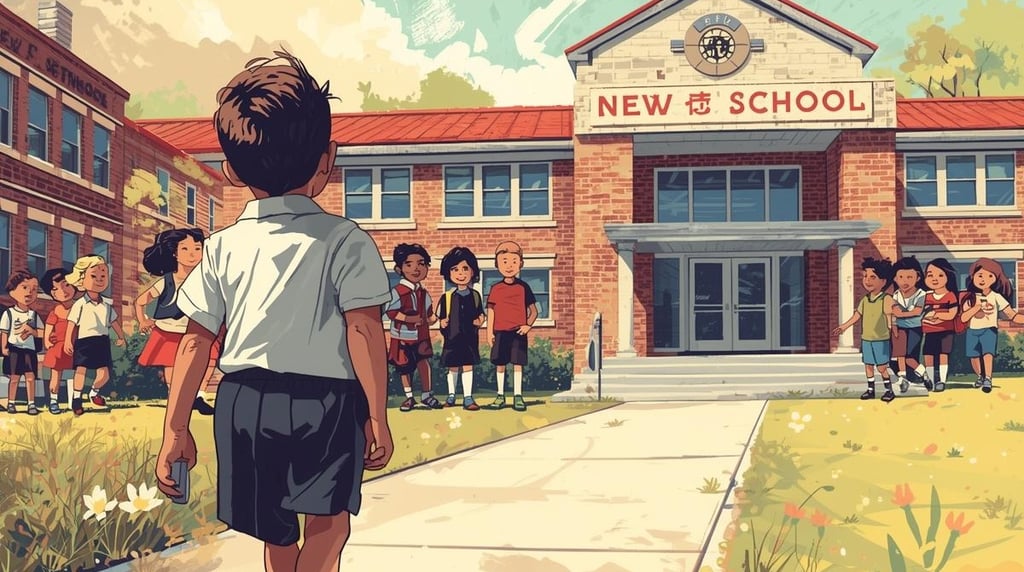
Starting school is one of the biggest milestones in a child’s early life. For many families, it brings a mixture of excitement, curiosity, and sometimes a little nervousness. Parents often wonder whether their child is truly ready and how they can make the transition smoother.
The good news is that school readiness isn’t just about academic skills. It is much more about emotional confidence, independence, and feeling comfortable in a new environment. With gentle preparation and encouragement, most children adapt beautifully to their new classroom.
Building Confidence Before the First Day
Confidence plays a huge role in how children approach new experiences. One of the best ways to support your child is by talking positively about school. Share stories about learning new things, making friends, and having fun during the day.
You can also practice simple routines at home that mirror the school day. Things like packing a backpack, putting on shoes independently, or sitting together for short activities can help children feel capable and prepared.
Talking About New Experiences
Children often feel calmer when they know what to expect. Talking about the classroom environment, meeting teachers, and learning alongside other children helps remove some of the mystery.
If possible, visit the school beforehand or show your child pictures of classrooms and playgrounds. These small steps help children imagine themselves in the new setting and reduce anxiety.
Helping Shy Children Feel Comfortable
Some children naturally take longer to warm up in social situations. This is completely normal. Gentle encouragement and patience go a long way.
Parents can help by arranging small play opportunities with other children, practicing greetings, and reminding their child that it’s okay to take their time when making new friends.
Teachers understand that every child adjusts at their own pace.
Developing Early Learning Skills
School readiness also includes simple everyday skills. Activities like reading together, drawing, counting objects, or telling stories help children build language and thinking skills in a natural way.
These moments do not need to feel like formal lessons. In fact, learning through play and conversation is one of the most powerful ways children develop confidence and curiosity.
Supporting Children Through School Transitions
As children grow, they also face new transitions within school, such as moving to a new year level or classroom. These moments can bring both excitement and uncertainty.
Stories can be a wonderful way to help children understand these changes. Books that explore first days, new classrooms, and friendships allow children to see that others experience the same feelings.
At Miska Minds, several stories explore these important milestones, including:
Omar’s First Day of School, which gently explores the emotions children feel when starting school for the first time.
Zac Is Moving to Year 2 and Zara Is Moving to Year 1 also help children understand that growing and moving forward in school is a natural and exciting part of learning.
Every Child’s Journey Is Different
It is important to remember that there is no single moment when a child suddenly becomes “ready” for school. Readiness develops gradually as children build confidence, independence, and social skills.
With encouragement, patience, and supportive routines, children learn that school is a place where they can explore, learn, and grow.
For many families, sharing stories together can be a comforting way to prepare children for this new chapter.

Let’s Stay Connected
Join Our Journey
mel@miskaminds.com
© 2025. All rights reserved by MiskaMinds
All our books are distributed globally by Ingram.
Available through major international and independent retailers including:
Dymocks · Barnes & Noble · Waterstones · Bookshop.org · Strand Books · Goodreads · The Nile · Readings · Google Books · Alibris · AbeBooks · Amazon · Booktopia